Security Breach at High-Profile Gala Raises Alarms Over Presidential Safety
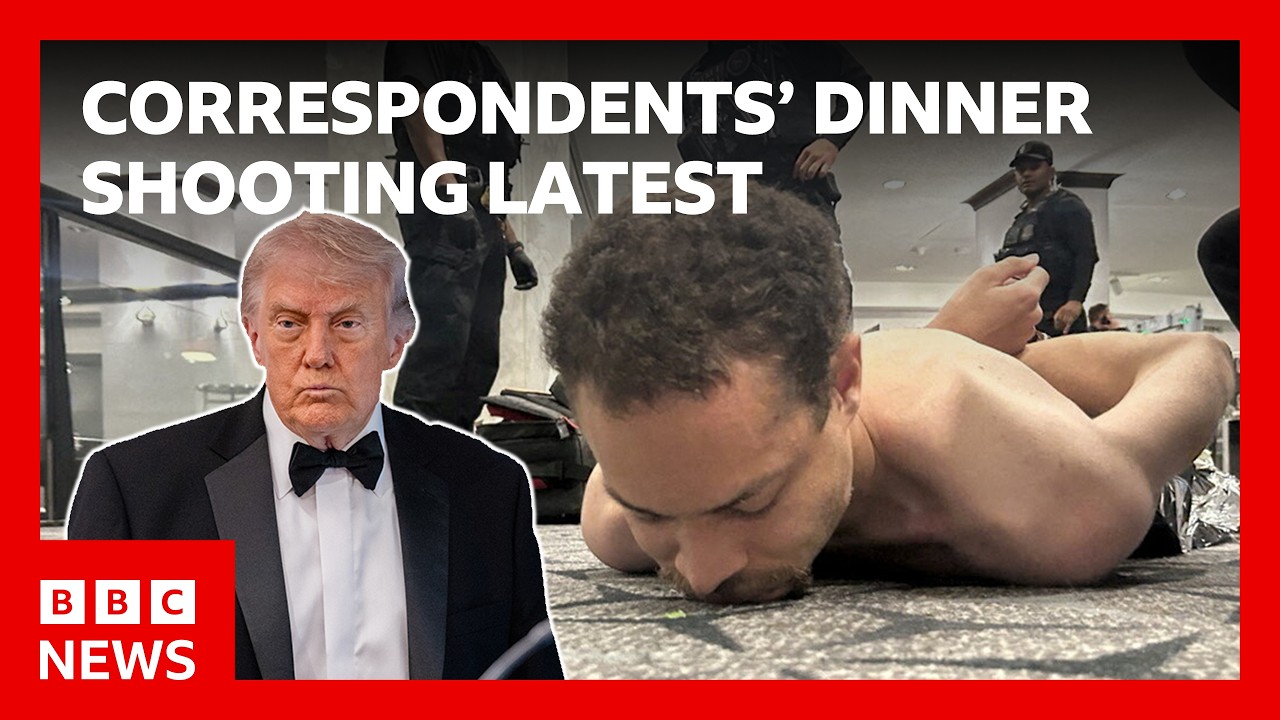
On an otherwise routine Saturday evening in Washington, D.C., chaos erupted at the White House Correspondents’ Dinner when Donald Trump, the American president, narrowly escaped an assassination attempt. Gunshots rang out as an armed assailant attempted to breach security at the Washington Hilton Hotel, prompting a rapid response from well-trained Secret Service agents. Witnesses reported a scene of utter pandemonium, with journalists and political figures alike diving for cover in an event that was supposed to celebrate the freedom of the press.
The suspect, identified as Cole Thomas Allen, a 31-year-old California resident, reportedly entered the hotel armed with a shotgun, a handgun, and multiple knives. Following the incident, it was revealed that a bullet struck a Secret Service agent but that his life was saved due to his bulletproof vest. Although Trump was unharmed, the event highlighted significant questions regarding security protocols at high-profile gatherings.
Moments after gunfire erupted, attendees fled as armed agents rushed to secure the area. An eyewitness described the scene vividly: "Every single person around me just jumped under a table. We heard three shots back-to-back. I bolted for the door." With the atmosphere quickly turning from celebration to crisis, the president’s safety became paramount. First Lady Melania Trump and Vice President JD Vance were also escorted to safety while the gala’s festivities were abruptly canceled.
Allen is expected to face several serious charges, including attempted murder and use of a firearm in the commission of a violent crime. Authorities indicated that Allen had expressed intentions to target Trump and his officials, raising alarming questions about his motivations and potential ties to broader threats. The situation escalated further as the FBI began searching both his home in Torrance, California, and the hotel room where he had been staying in Washington.
As security breaches at significant events become an increasing concern, this incident is not the first for Trump, who has faced multiple threats during his time in public life. A similar attempt on his life occurred during a campaign rally in 2024, and since then, the stakes have only grown. The current incident puts him and his administration under renewed scrutiny regarding their safety measures, especially given that previous encounters have raised alarm bells.
The rapid reaction of the Secret Service was praised, but it brings to light the complexities of securing a venue where thousands are gathered. As one security expert explained, “The Secret Service has decades of experience, yet the challenge lies in mitigating risks from lone actors, which are notoriously difficult to predict.”
Despite the chaos, Trump addressed the nation shortly after the event, expressing gratitude for the swift actions taken by law enforcement. He characterized the assailant as a "lone wolf whack job." His remarks underscored a recurring theme in his presidency: navigating threats while projecting resilience. “We need to make sure we keep our events, even if it entails additional precautions,” Trump noted.
This harrowing episode serves as a wakeup call, not just for the administration but for the nation. High-profile events like the White House Correspondents’ Dinner should be secure by design, yet the reality is far more complex. Officials now face tough questions about their security protocols, particularly how an armed individual could get so close to powerful figures without detection.
The implications extend beyond the immediate incident, as the political landscape is inherently fragile. The upcoming state visit by King Charles and the Queen, planned for the following days, will undoubtedly prompt discussions on heightened security measures. With members of the public always part of the environment, the challenge remains to strike a balance between accessibility and safety.
As institutions reassess their security frameworks, the nation must remain vigilant against potential threats. The true test will be whether lessons learned from this attempt will lead to meaningful changes in how such gatherings prioritize safety without dampening the spirit of public discourse. President Trump faces an ongoing dilemma—how to maintain a public presence while managing the ever-present risks that come with his position.